Every Pope in History
From a Galilean fisherman to the first American pope: 267 pontificates across two thousand years, the eras that shaped them, and why each one mattered.
- 267
- pontificates
- 265
- men
- 15
- eras
- 1,996
- years
I30-99
The Apostolic Age
From the fisherman Peter to the first successors: the papacy before anyone called it that.
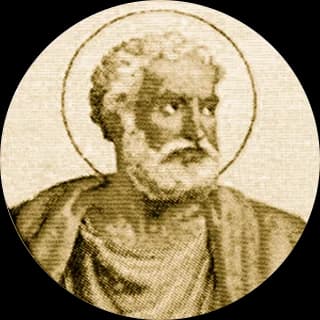
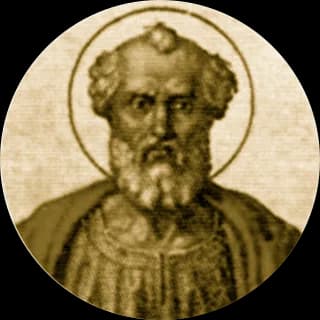
PeterSaint
No. 1 · c. 30-c. 64- 30
religiousCrucifixion of Jesus
The event from which the entire Christian movement, and the office of Peter, flows; dated to 30 or 33 by most reckonings.
- 49
councilCouncil of Jerusalem
The apostles rule that Gentile converts need not keep the Mosaic law. Peter speaks first; James delivers the verdict.
- 49
politicalClaudius expels the Jews from Rome
Suetonius records disturbances 'at the instigation of Chrestus'; the Christians of Rome already exist, a decade before either apostle arrives.
- 64
politicalGreat Fire of Rome
Nero blames the Christians; tradition places the martyrdoms of Peter and Paul in the persecution that follows.
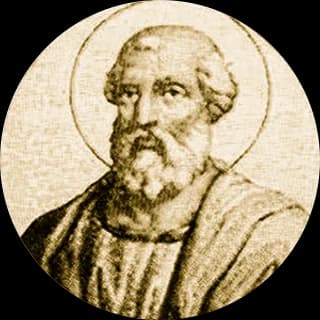
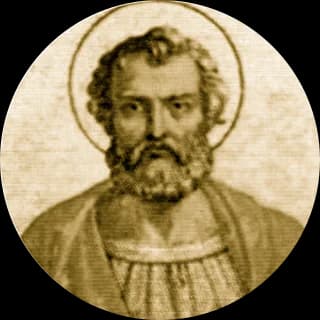
LinusSaint
No. 2 · c. 67-c. 79- 70
politicalDestruction of the Temple
Rome levels the Jerusalem Temple, and Christianity's center of gravity shifts decisively toward the imperial capital.
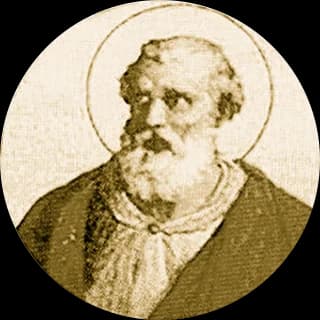
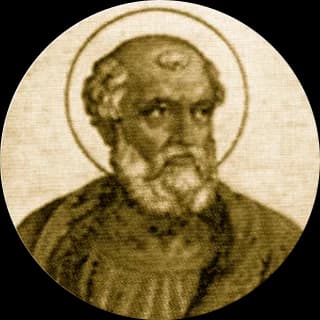
AnacletusSaint
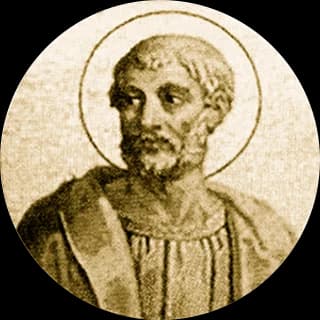
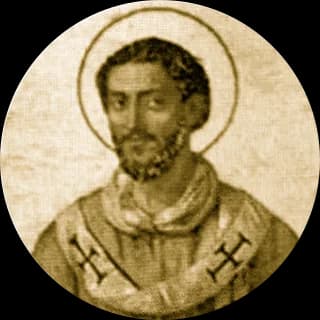
No. 3 · c. 79-c. 92Clement ISaint
No. 4 · c. 92-c. 99- 95
politicalDomitian turns on his household
The emperor executes his cousin the consul Flavius Clemens for 'atheism' and exiles Domitilla; Clement's letter opens amid 'sudden and repeated misfortunes.'
II99-311
The Age of Persecution
Two centuries underground: bishops of Rome elected to an office that could be a death sentence.
EvaristusSaint
No. 5 · c. 99-c. 107Alexander ISaint
No. 6 · c. 107-c. 115- 112
politicalPliny writes to Trajan about the Christians
A provincial governor asks what to do with people denounced as Christians; the emperor's reply, do not seek them out, sets imperial policy for a century.
Sixtus ISaint
No. 7 · c. 115-c. 125TelesphorusSaint
No. 8 · c. 125-c. 136HyginusSaint
No. 9 · c. 136-c. 140Pius ISaint
No. 10 · c. 140-c. 155- 144
schismMarcion expelled from the Roman church
The shipowner who rejected the God of the Old Testament is put out of the church and his money returned; his rival church outlives the pope who expelled him.
AnicetusSaint
No. 11 · c. 155-c. 166SoterSaint
No. 12 · c. 166-c. 175EleutheriusSaint
No. 13 · c. 175-c. 189Victor ISaint
No. 14 · c. 189-c. 199- 190
schismThe Easter controversy
Victor I orders the churches of Asia to keep Easter on Sunday and moves to cut them off; Irenaeus and other bishops tell him that custom is no ground for schism.
ZephyrinusSaint
No. 15 · c. 199-c. 217- 202
politicalPersecution under Septimius Severus
An edict against conversion brings arrests from Alexandria to Carthage, where Perpetua and Felicity die in the arena; Rome's Christians keep their heads down.
Callixtus ISaint
No. 16 · c. 217-c. 222Urban ISaint
No. 17 · c. 222-c. 230PontianSaint
No. 18 · 230-235AnterusSaint
No. 19 · 235-236FabianSaint
No. 20 · 236-250- 250
politicalDecian persecution
The first empire-wide persecution requires every subject to sacrifice to the Roman gods; Pope Fabian is among the first to die, and thousands lapse.
CorneliusSaint
No. 21 · 251-253Lucius ISaint
No. 22 · 253-254Stephen ISaint
No. 23 · 254-257Sixtus IISaint
No. 24 · 257-258- 258
politicalValerian's persecution
Clergy are ordered to sacrifice on pain of death. Sixtus II is beheaded in the catacomb with four deacons; Lawrence dies four days later; Cyprian in September.
DionysiusSaint
No. 25 · 259-268Felix ISaint
No. 26 · 269-274- 272
politicalAurelian rules on the church of Antioch
Asked who owns Antioch's church building, the pagan emperor awards it to whichever bishop the bishops of Italy and Rome recognize: the first imperial nod to Roman precedence.
EutychianSaint
No. 27 · 275-283CaiusSaint
No. 28 · 283-296MarcellinusSaint
No. 29 · 296-304- 303
politicalDiocletianic persecution
The last and fiercest general persecution burns churches and scriptures across the empire; Rome's bishop Marcellinus is accused of handing over the books.
Marcellus ISaint
No. 30 · 308-309EusebiusSaint
No. 31 · 309- 311
politicalEdict of Galerius
A dying emperor admits the persecution has failed and grants Christians the right to exist; the next pope takes office in a church that is, for the first time, legal.
III311-483
The Imperial Church
Constantine changes everything: the persecuted sect becomes the empire's church, and Rome's bishop becomes a public figure.
MiltiadesSaint
No. 32 · 311-314- 313
religiousEdict of Milan
Constantine and Licinius grant freedom of worship; within the year Constantine lends Miltiades the Lateran palace to sit in judgment on the Donatists.
Sylvester ISaint
No. 33 · 314-335- 325
councilCouncil of Nicaea
The first ecumenical council defines Christ's divinity; Sylvester stays in Rome and sends two presbyters, a pattern the popes keep for a thousand years.
- 330
politicalFoundation of Constantinople
Constantine dedicates a new Rome on the Bosporus, the city whose bishop will contest Rome's precedence at every later council.
MarkSaint
No. 34 · 336Julius ISaint
No. 35 · 337-352Liberius
No. 36 · 352-366Damasus ISaint
No. 37 · 366-384- 380
religiousEdict of Thessalonica
Theodosius makes the faith which the apostle Peter delivered to the Romans, and which Damasus now professes, the religion of the empire.
- 382
culturalJerome begins the Vulgate
Damasus asks his secretary Jerome to revise the Latin Bible against the Greek; the result becomes the West's scripture for eleven centuries.
SiriciusSaint
No. 38 · 384-399Anastasius ISaint
No. 39 · 399-401Innocent ISaint
No. 40 · 401-417- 410
politicalAlaric sacks Rome
The Goths hold the city for three days, the first time in eight centuries; Innocent I is away in Ravenna, and Augustine begins The City of God.
ZosimusSaint
No. 41 · 417-418Boniface ISaint
No. 42 · 418-422Celestine ISaint
No. 43 · 422-432- 431
councilCouncil of Ephesus
Celestine's legates and Cyril of Alexandria depose Nestorius and proclaim Mary Theotokos; Sixtus III answers with Santa Maria Maggiore.
Sixtus IIISaint
No. 44 · 432-440Leo ISaint
No. 45 · 440-461- 451
councilCouncil of Chalcedon
The bishops acclaim Leo's Tome, Peter has spoken through Leo, then rank Constantinople second in canon 28, which Leo refuses to accept.
HilariusSaint
No. 46 · 461-468SimpliciusSaint
No. 47 · 468-483- 476
politicalFall of the Western Empire
Odoacer deposes the boy Romulus Augustulus and sends the regalia to Constantinople; the bishop of Rome is now the city's most permanent authority.
IV483-752
The Byzantine Papacy
Popes under Constantinople's shadow: elected in Rome, confirmed by an emperor a thousand miles east.
Felix IIISaint
No. 48 · 483-492Gelasius ISaint
No. 49 · 492-496Anastasius II
No. 50 · 496-498SymmachusSaint
No. 51 · 498-514HormisdasSaint
No. 52 · 514-523- 519
schismThe Acacian schism ends
The patriarch and 250 Eastern bishops sign the Formula of Hormisdas: in the apostolic see the Catholic religion has always been kept unblemished.
John ISaint
No. 53 · 523-526Felix IVSaint
No. 54 · 526-530- 529
religiousBenedict writes his Rule
Monte Cassino's founder composes the rule that will quietly organize Western monasticism, and much of Europe, for a millennium.
Boniface II
No. 55 · 530-532John II
No. 56 · 533-535Agapetus ISaint
No. 57 · 535-536SilveriusSaint
No. 58 · 536-537- 536
politicalBelisarius takes Rome
Justinian's reconquest reaches the city; for two centuries the pope's Rome belongs to an emperor in Constantinople and his exarch in Ravenna.
Vigilius
No. 59 · 537-555- 553
councilSecond Council of Constantinople
Justinian's council condemns the Three Chapters; Vigilius, a prisoner in the city, refuses for a year and then submits.
Pelagius I
No. 60 · 556-561John III
No. 61 · 561-574- 568
politicalThe Lombards enter Italy
Alboin's Lombards cross the Alps; within a decade Rome is a besieged island in a Lombard peninsula, fed by sea from Sicily and Egypt.
Benedict I
No. 62 · 575-579Pelagius II
No. 63 · 579-590Gregory ISaint
No. 64 · 590-604- 597
religiousAugustine lands in Kent
Gregory's monk baptizes King Ethelbert at Canterbury; the English church is Rome's from birth, and will repay the debt in missionaries.
Sabinian
No. 65 · 604-606Boniface III
No. 66 · 607Boniface IVSaint
No. 67 · 608-615Adeodatus ISaint
No. 68 · 615-618Boniface V
No. 69 · 619-625- 622
religiousThe Hijra
Muhammad's migration to Medina founds the Islamic era; within a century Syria, Egypt, Africa, and Spain are under Muslim rule.
Honorius I
No. 70 · 625-638Severinus
No. 71 · 640John IV
No. 72 · 640-642Theodore I
No. 73 · 642-649Martin ISaint
No. 74 · 649-655Eugene ISaint
No. 75 · 654-657VitalianSaint
No. 76 · 657-672Adeodatus II
No. 77 · 672-676Donus
No. 78 · 676-678AgathoSaint
No. 79 · 678-681- 681
councilThird Council of Constantinople
Monothelitism is condemned with Agatho's letter as its standard; the same council anathematizes a dead pope, Honorius, by name.
Leo IISaint
No. 80 · 682-683Benedict IISaint
No. 81 · 684-685John V
No. 82 · 685-686Conon
No. 83 · 686-687Sergius ISaint
No. 84 · 687-701John VI
No. 85 · 701-705John VII
No. 86 · 705-707Sisinnius
No. 87 · 708Constantine
No. 88 · 708-715Gregory IISaint
No. 89 · 715-731- 726
schismIconoclasm begins
Leo III orders the destruction of images; Gregory II refuses, and the cities of Italy refuse the emperor's taxes.
Gregory IIISaint
No. 90 · 731-741- 732
politicalBattle of Tours
Charles Martel halts the Umayyad advance into Francia, marking the Franks as the military power the papacy will soon court.
ZacharySaint
No. 91 · 741-752- 751
politicalPepin becomes king of the Franks
Pepin asks Zachary whether the man with the power should have the title; the pope says yes, and the Carolingians replace the Merovingians.
V752-903
The Carolingian Papacy
The Frankish bargain: popes crown emperors, emperors defend popes, and the Papal States are born.
Stephen II
No. 92 · 752-757- 754
politicalPepin's promise at Quierzy
Pepin swears at Ponthion and Quierzy to restore the exarchate to Saint Peter, and Stephen II anoints him and his sons at Saint-Denis.
Paul ISaint
No. 93 · 757-767Stephen III
No. 94 · 768-772Adrian I
No. 95 · 772-795- 774
politicalCharlemagne takes Pavia
The Lombard kingdom falls after a winter siege; Charlemagne becomes king of the Lombards and, at Easter in Rome, renews his father's promise to Adrian I.
- 782
culturalAlcuin joins Charlemagne's court
The schoolmaster of York takes charge of the palace school, and the Carolingian revival of letters, scripts, and corrected texts begins.
- 787
councilSecond Council of Nicaea
The empress Irene's council restores the veneration of images with Adrian I's legates present; Charlemagne's theologians reject it on a bad translation.
Leo IIISaint
No. 96 · 795-816- 800
politicalCoronation of Charlemagne
On Christmas Day, Leo III crowns Charlemagne emperor in St. Peter's, binding papacy and empire for seven centuries.
Stephen IV
No. 97 · 816-817Paschal ISaint
No. 98 · 817-824Eugene II
No. 99 · 824-827Valentine
No. 100 · 827Gregory IV
No. 101 · 827-844- 843
politicalTreaty of Verdun
The sons of Louis the Pious divide the empire into three kingdoms; the popes will never again have a single Frankish protector to deal with.
Sergius II
No. 102 · 844-847- 846
politicalSaracens sack Saint Peter's
A fleet from Muslim Sicily lands at Ostia and strips Saint Peter's and Saint Paul's, both outside the walls; Leo IV answers with the Leonine City.
Leo IVSaint
No. 103 · 847-855Benedict III
No. 104 · 855-858Nicholas ISaint
No. 105 · 858-867- 863
schismThe Photian Schism
Rome and Constantinople excommunicate over the see of Constantinople, rehearsing the arguments of the final rupture of 1054.
- 863
religiousCyril and Methodius reach Moravia
Two brothers from Thessalonica bring a Slavonic alphabet and liturgy to Moravia; Rome will bless the liturgy, ban it, and bless it again.
Adrian II
No. 106 · 867-872John VIII
No. 107 · 872-882Marinus I
No. 108 · 882-884Adrian IIISaint
No. 109 · 884-885Stephen V
No. 110 · 885-891- 888
politicalThe Carolingian Empire dissolves
Charles the Fat dies deposed, and the empire breaks into kingdoms under kings who are not Carolingians; the popes must crown whoever holds Italy.
Formosus
No. 111 · 891-896Boniface VI
No. 112 · 896Stephen VI
No. 113 · 896-897Romanus
No. 114 · 897Theodore II
No. 115 · 897- 897
councilThe Cadaver Synod
Stephen VI has the corpse of Formosus exhumed, robed, tried, and condemned; the body goes into the Tiber and Stephen is strangled within the year.
John IX
No. 116 · 898-900Benedict IV
No. 117 · 900-903
VI903-1046
The Iron Century
The papacy's darkest stretch: Roman clans install, depose, and occasionally murder the popes they own.
Leo V
No. 118 · 903Sergius III
No. 119 · 904-911- 910
religiousCluny founded
A Burgundian abbey answerable only to Rome begins the monastic reform movement that will eventually rescue the papacy itself.
Anastasius III
No. 120 · 911-913Lando
No. 121 · 913-914John X
No. 122 · 914-928- 915
politicalThe league of the Garigliano
John X rides with Byzantines, Spoletans, and Campanians against the Saracen colony at the river mouth; after thirty-five years it is burned out.
Leo VI
No. 123 · 928Stephen VII
No. 124 · 928-931John XI
No. 125 · 931-935Leo VII
No. 126 · 936-939Stephen VIII
No. 127 · 939-942Marinus II
No. 128 · 942-946Agapetus II
No. 129 · 946-955John XII
No. 130 · 955-964- 955
politicalOtto I defeats the Magyars
The German king destroys the Magyar army near Augsburg; the raids end, and the strongest ruler in the West begins to look toward Rome.
- 962
politicalOtto I crowned emperor
The German king revives the empire and claims a veto over papal elections, trading one master in Rome for another.
Leo VIII
No. 131 · 963-965Benedict V
No. 132 · 964John XIII
No. 133 · 965-972Benedict VI
No. 134 · 973-974Benedict VII
No. 135 · 974-983John XIV
No. 136 · 983-984John XV
No. 137 · 985-996- 987
politicalThe Capetians take France
The last Carolingian king of the West Franks dies and Hugh Capet is elected; the quarrel over Reims that follows will make Gerbert a pope.
- 988
religiousVladimir of Kiev is baptized
The prince of the Rus takes baptism from Constantinople and a Byzantine bride; the largest of the Slav peoples goes to the Greek church.
Gregory V
No. 138 · 996-999Sylvester II
No. 139 · 999-1003- 1000
politicalGniezno and Esztergom
Otto III kneels at Adalbert's tomb in Gniezno and Stephen of Hungary is crowned; Poland and Hungary enter Latin Europe with archbishops of their own.
John XVII
No. 140 · 1003John XVIII
No. 141 · 1003-1009Sergius IV
No. 142 · 1009-1012Benedict VIII
No. 143 · 1012-1024- 1014
religiousThe Filioque sung in Saint Peter's
At Henry II's coronation the Creed is sung in Rome with the words Leo III had refused two centuries before; Constantinople takes note.
John XIX
No. 144 · 1024-1032- 1025
culturalGuido of Arezzo writes music on lines
A Benedictine shows John XIX an antiphoner with notes set on a staff; Western music can now be read by singers who have never heard it.
- 1030
politicalThe Normans get Aversa
The duke of Naples grants Rainulf Drengot the county of Aversa, the first Norman lordship in Italy; within a century they will hold the south.
Benedict IX
No. 145 · 1032-1044, 1045, 1047-1048Sylvester III
No. 146 · 1045Gregory VI
No. 148 · 1045-1046- 1046
councilThe Synod of Sutri
Henry III deposes Sylvester III and Gregory VI at Sutri and Benedict IX at Rome, names a German bishop Clement II, and the reform papacy begins.
VII1046-1198
Reform and Investiture
The papacy breaks free: simony condemned, elections handed to the cardinals, and an emperor kneeling in the snow.
Clement II
No. 149 · 1046-1047Damasus II
No. 151 · 1048Leo IXSaint
No. 152 · 1049-1054- 1054
schismThe East-West Schism
Papal legates and the patriarch of Constantinople excommunicate one another, a quarrel later remembered as the moment Rome and the Orthodox East divided.
Victor II
No. 153 · 1055-1057Stephen IX
No. 154 · 1057-1058Nicholas II
No. 155 · 1059-1061Alexander II
No. 156 · 1061-1073- 1066
politicalThe Norman Conquest of England
William sails for England under a banner blessed by Alexander II, and a pope's approval helps decide who wears a crown.
- 1071
politicalThe Battle of Manzikert
The Seljuks destroy a Byzantine army and open Asia Minor, setting in train the appeal for western help that ends at Clermont.
Gregory VIISaint
No. 157 · 1073-1085Victor III
No. 158 · 1086-1087Urban II
No. 159 · 1088-1099- 1088
culturalThe Law School at Bologna
Teaching on the rediscovered Roman law begins at Bologna, and Europe starts producing the professional lawyers the papacy will run on.
- 1095
religiousThe First Crusade
Urban II's summons at Clermont sends armed Christendom east and makes the papacy the moral commander of Europe.
- 1098
religiousThe Founding of Cîteaux
A handful of monks leave Molesme for a marsh in Burgundy, beginning the Cistercian order that will dominate the next century's religious life.
Paschal II
No. 160 · 1099-1118Gelasius II
No. 161 · 1118-1119Callixtus II
No. 162 · 1119-1124- 1122
politicalThe Concordat of Worms
Empire and papacy compromise on investiture: the emperor gives up ring and staff, the church concedes the bishop's lands are held from the crown.
Honorius II
No. 163 · 1124-1130Innocent II
No. 164 · 1130-1143- 1140
culturalGratian's Decretum
A Bologna master reconciles a thousand years of contradictory church rulings into one textbook, and canon law becomes a science.
Celestine II
No. 165 · 1143-1144Lucius II
No. 166 · 1144-1145Eugene III
No. 167 · 1145-1153- 1147
religiousThe Second Crusade
Preached by Bernard of Clairvaux for Eugene III, the expedition of two kings ends in failure outside Damascus.
Anastasius IV
No. 168 · 1153-1154Adrian IV
No. 169 · 1154-1159Alexander III
No. 170 · 1159-1181- 1176
politicalThe Battle of Legnano
The infantry of the Lombard League break Frederick Barbarossa's cavalry, forcing the emperor to come to terms with Alexander III at Venice.
Lucius III
No. 171 · 1181-1185Urban III
No. 172 · 1185-1187Gregory VIII
No. 173 · 1187Clement III
No. 174 · 1187-1191- 1187
politicalSaladin Takes Jerusalem
Hattin destroys the kingdom's army and Jerusalem surrenders, news that kills one pope and moves his successor to call the Third Crusade.
Celestine III
No. 175 · 1191-1198
VIII1198-1305
The Papal Monarchy
The papacy at its medieval zenith: Innocent III judges kings, and Boniface VIII discovers the limits.
Innocent III
No. 176 · 1198-1216- 1204
politicalSack of Constantinople
The Fourth Crusade turns on Christian Constantinople, poisoning East-West relations beyond medieval repair.
- 1209
religiousRise of the mendicant orders
Francis of Assisi wins papal approval for a movement of radical poverty that reshapes the church from below.
- 1215
councilFourth Lateran Council
Innocent III's great council legislates for all Christendom, the medieval papacy's most complete display of authority.
Honorius III
No. 177 · 1216-1227Gregory IX
No. 178 · 1227-1241Celestine IV
No. 179 · 1241Innocent IV
No. 180 · 1243-1254Alexander IV
No. 181 · 1254-1261Urban IV
No. 182 · 1261-1264Clement IV
No. 183 · 1265-1268Gregory X
No. 184 · 1271-1276Innocent V
No. 185 · 1276Adrian V
No. 186 · 1276John XXI
No. 187 · 1276-1277Nicholas III
No. 188 · 1277-1280Martin IV
No. 189 · 1281-1285Honorius IV
No. 190 · 1285-1287Nicholas IV
No. 191 · 1288-1292Celestine V
No. 192 · 1294Boniface VIII
No. 193 · 1295-1303Benedict XI
No. 194 · 1303-1304
IX1305-1378
The Avignon Papacy
Seven French popes beside the Rhone: the Babylonian captivity that emptied Rome and filled the papal treasury.
Clement V
No. 195 · 1305-1314John XXII
No. 196 · 1316-1334Benedict XII
No. 197 · 1335-1342- 1337
politicalThe Hundred Years' War begins
England and France begin their generational war, with popes seated in France struggling to look neutral.
Clement VI
No. 198 · 1342-1352- 1347
culturalThe Black Death
Plague kills perhaps half of Europe; Clement VI opens Avignon's purse and defends the Jews against massacre libels.
Innocent VI
No. 199 · 1353-1362Urban V
No. 200 · 1362-1370Gregory XI
No. 201 · 1371-1378
X1378-1447
The Western Schism
Two popes, then three: forty years in which Europe genuinely could not tell who held the keys.
Urban VI
No. 202 · 1378-1389Boniface IX
No. 203 · 1389-1404Innocent VII
No. 204 · 1404-1406Gregory XII
No. 205 · 1406-1415- 1414
councilCouncil of Constance
A general council deposes rival claimants, elects Martin V, and ends the schism, while burning Jan Hus under safe conduct.
Martin V
No. 206 · 1417-1431- 1419
religiousThe Hussite Wars
Bohemia rises for the executed Hus, a rehearsal of the confessional wars a century before Luther.
Eugene IV
No. 207 · 1431-1447
XI1447-1513
The Renaissance Papacy
Patrons, princes, and Borgias: the papacy rebuilds Rome in splendor while its spiritual credit runs down.
Nicholas V
No. 208 · 1447-1455- 1453
politicalFall of Constantinople
The Ottomans take the second Rome; refugee scholars and a crusading anxiety reshape the papal agenda.
Callixtus III
No. 209 · 1455-1458- 1455
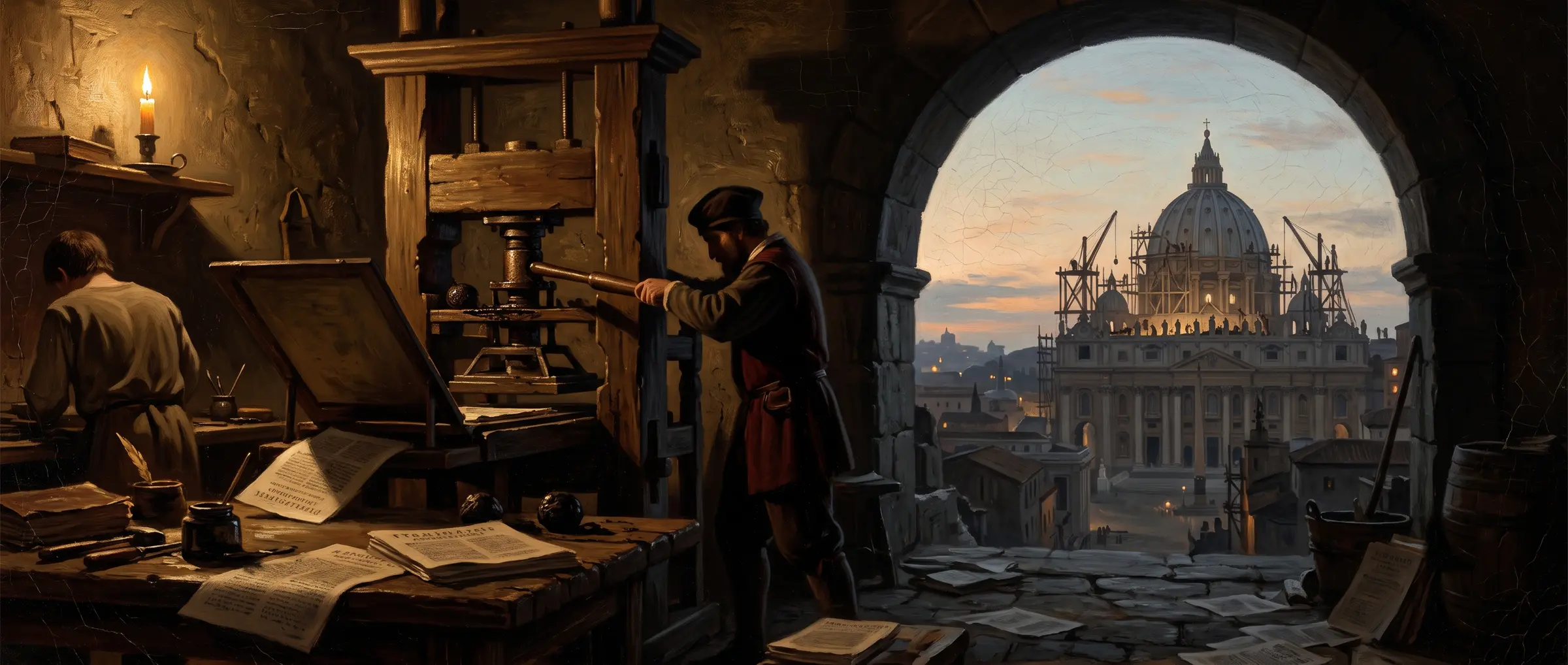
culturalThe Gutenberg Bible
Print arrives; the same press that spreads indulgences will soon spread Luther faster than Rome can answer.
Pius II
No. 210 · 1458-1464Paul II
No. 211 · 1464-1471Sixtus IV
No. 212 · 1471-1484- 1478
religiousThe Spanish Inquisition
Sixtus IV authorizes Ferdinand and Isabella's tribunal, a royal instrument in ecclesiastical dress that will outlive every pope of the era.
Innocent VIII
No. 213 · 1484-1492Alexander VI
No. 214 · 1492-1503- 1492
politicalColumbus reaches the Americas
A new world enters history; within a year Alexander VI is drawing the line dividing it between Spain and Portugal.
- 1494
politicalThe Italian Wars begin
Charles VIII marches through Italy to Naples; for sixty years the peninsula is the battlefield of France, Spain, and the Empire, with the papacy both player and prize.
Pius III
No. 215 · 1503Julius II
No. 216 · 1503-1513- 1508
culturalMichelangelo begins the Sistine ceiling
Four years on a scaffold for Julius II produce the image of God that the West still carries in its head.
XII1513-1605
Reformation and Counter-Reformation
The century the church broke and rebuilt itself: from Leo X's Rome to the disciplined papacy of Trent.
Leo X
No. 217 · 1513-1521- 1517
religiousLuther's Ninety-five Theses
An Augustinian friar's protest against the indulgence trade detonates into the permanent division of western Christianity.
Adrian VI
No. 218 · 1522-1523Clement VII
No. 219 · 1523-1534- 1527
politicalSack of Rome
Unpaid imperial troops storm and ravage Rome for months while Clement VII watches from Castel Sant'Angelo.
Paul III
No. 220 · 1534-1549- 1534
schismEnglish Act of Supremacy
Henry VIII makes himself head of the Church of England, subtracting a kingdom from papal obedience over a divorce.
- 1540
religiousSociety of Jesus approved
Paul III approves Ignatius of Loyola's company, giving the Counter-Reformation its schoolmasters and missionaries.
- 1545
councilCouncil of Trent opens
The council that will define Catholic doctrine and discipline for four centuries finally convenes after decades of delay.
Julius III
No. 221 · 1550-1555Marcellus II
No. 222 · 1555Paul IV
No. 223 · 1555-1559Pius IV
No. 224 · 1559-1565Pius VSaint
No. 225 · 1566-1572- 1571
politicalBattle of Lepanto
The Holy League assembled by Pius V shatters the Ottoman fleet in the largest galley battle ever fought.
Gregory XIII
No. 226 · 1572-1585- 1582
culturalThe Gregorian calendar
Gregory XIII deletes ten days from October and gives the world the calendar it still runs on.
Sixtus V
No. 227 · 1585-1590Urban VII
No. 228 · 1590Gregory XIV
No. 229 · 1590-1591Innocent IX
No. 230 · 1591Clement VIII
No. 231 · 1592-1605- 1598
politicalEdict of Nantes
Henry IV grants French Protestants toleration, closing the wars of religion that defined the century's politics.
XIII1605-1799
Baroque and Enlightenment
From Bernini's colonnade to Napoleon's shadow: two centuries of splendor and shrinking leverage.
Leo XI
No. 232 · 1605Paul V
No. 233 · 1605-1621- 1618
politicalThe Thirty Years' War
Europe's confessional catastrophe begins; its peace will be signed over papal protest, a sign of the new order.
Gregory XV
No. 234 · 1621-1623Urban VIII
No. 235 · 1623-1644- 1633
culturalTrial of Galileo
The Holy Office forces Galileo's abjuration, the emblematic collision of papal authority with the new science.
Innocent X
No. 236 · 1644-1655- 1648
politicalPeace of Westphalia
The settlement ending the wars of religion ignores Innocent X's protest entirely; Europe now negotiates without Rome.
Alexander VII
No. 237 · 1655-1667Clement IX
No. 238 · 1667-1669Clement X
No. 239 · 1670-1676Innocent XI
No. 240 · 1676-1689Alexander VIII
No. 241 · 1689-1691Innocent XII
No. 242 · 1691-1700Clement XI
No. 243 · 1700-1721Innocent XIII
No. 244 · 1721-1724Benedict XIII
No. 245 · 1724-1730Clement XII
No. 246 · 1730-1740Benedict XIV
No. 247 · 1740-1758Clement XIII
No. 248 · 1758-1769Clement XIV
No. 249 · 1769-1774- 1773
religiousSuppression of the Jesuits
Under Bourbon pressure, Clement XIV dissolves the papacy's most loyal order, the era's starkest surrender.
Pius VI
No. 250 · 1775-1799- 1789
politicalThe French Revolution
The revolution nationalizes the French church and will soon carry a pope off to die in captivity.
XIV1799-1958
The Age of Revolution
The papacy loses its state and finds its voice: from Napoleon's prisoner to prisoner of the Vatican to moral superpower.
Pius VII
No. 251 · 1800-1823- 1804
politicalNapoleon crowns himself
At Notre-Dame, with Pius VII looking on, Napoleon places the crown on his own head; within five years he will annex the Papal States and jail the pope.
Leo XII
No. 252 · 1823-1829Pius VIII
No. 253 · 1829-1830- 1830
politicalThe revolutions of 1830
The July Revolution topples the Bourbons in France and sets off the risings that leave the Papal States dependent on Austrian bayonets.
Gregory XVI
No. 254 · 1831-1846Pius IX
No. 255 · 1846-1878- 1848
politicalThe revolutions of 1848
Europe's year of revolutions drives Pius IX from Rome in disguise and cures him of liberalism for good.
- 1869
councilFirst Vatican Council
Vatican I defines papal infallibility just before the pope's temporal kingdom disappears.
- 1870
politicalThe Capture of Rome
Italian troops breach the Porta Pia; eleven centuries of Papal States end and the popes retreat behind Vatican walls.
Leo XIII
No. 256 · 1878-1903- 1891
culturalThe industrial working class
Steel, rail, and factory cities have made an industrial proletariat; Rerum novarum gives the church an answer to the social question.
Pius XSaint
No. 257 · 1903-1914Benedict XV
No. 258 · 1914-1922- 1914
politicalThe First World War
The suicide of civilized Europe, in Benedict XV's phrase; every belligerent rejects the Holy See's peace proposals.
Pius XI
No. 259 · 1922-1939- 1929
politicalThe Lateran Treaty
Italy and the Holy See settle the Roman Question, creating Vatican City as the world's smallest sovereign state.
- 1933
politicalHitler takes power
The Holy See signs a concordat with the new German government within months and spends the decade watching it broken.
Pius XII
No. 260 · 1939-1958- 1939
politicalThe Second World War
Pius XII steers the Holy See through occupation and genocide, a record still debated document by document.
XV1958-present
The Global Papacy
From the Second Vatican Council to the first American pope: the office goes worldwide in person and in reach.
John XXIIISaint
No. 261 · 1958-1963- 1962
councilSecond Vatican Council
John XXIII's council opens the windows: vernacular liturgy, religious freedom, and a new posture toward the modern world.
- 1962
politicalCuban missile crisis
Thirteen days at the edge of nuclear war; John XXIII's radio appeal for peace runs on the front page of Pravda.
Paul VISaint
No. 262 · 1963-1978- 1968
culturalThe year 1968
Student revolt from Paris to Mexico City, the Prague Spring crushed, and a sexual revolution that makes Humanae vitae the most contested papal text of the century.
John Paul I
No. 263 · 1978John Paul IISaint
No. 264 · 1978-2005- 1989
politicalFall of the Berlin Wall
Communism collapses in Europe, with John Paul II's Poland as the first domino and the pope as a protagonist.
- 2001
politicalSeptember 11 attacks
Al-Qaeda's attacks on New York and Washington open two decades of war and turn interreligious dialogue from a courtesy into a necessity.
Benedict XVI
No. 265 · 2005-2013Francis
No. 266 · 2013-2025- 2020
culturalCOVID-19 pandemic
A pandemic empties the world's squares; Francis prays alone in the rain before a deserted Saint Peter's for a locked-down planet.
- 2022
culturalGenerative AI goes public
Chatbots and image models reach hundreds of millions of users within months and reopen the question of what is human; the next pope takes his name with it in mind.
Leo XIV
No. 267 · 2025-present