Reform and Investiture1046-1198
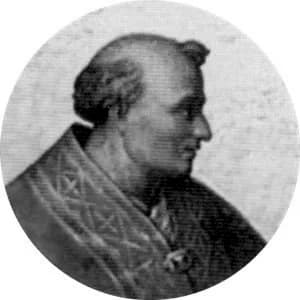
Victor III
The abbot who rebuilt Monte Cassino into the wonder of Italy, was made pope against his will, and kept trying to go home.
Pope no. 1581086-1087
Daufer was a Lombard prince's son who ran away to become a monk and had to be dragged back by his family before they gave in. As Desiderius, abbot of Monte Cassino from 1058, he made the house the cultural centre of Italy: he rebuilt the basilica on a scale nobody in the West had attempted for centuries, brought mosaicists and metalworkers from Constantinople to decorate it, and set his monks copying classical texts that would otherwise have been lost. He was also the indispensable broker between the reform papacy and the Normans, the man both sides trusted.
That made him the obvious successor when Gregory VII died in exile in 1085, and the last thing he wanted. Elected in May 1086, he fled back to Monte Cassino within four days and laid down the papal insignia. It took a year of pressure before he accepted consecration in May 1087, and even then he spent most of his pontificate at the abbey rather than in Rome, which the antipope Clement III largely held.
He managed one synod, at Benevento in August 1087, which renewed the condemnation of lay investiture and excommunicated Clement III, and he blessed a Pisan and Genoese fleet that sacked the Muslim ports of Mahdia. Then he went home to die. He named Odo of Ostia as the man to elect after him, which turned out to be the most consequential thing he did.
A full essay on this pope is in preparation. The facts and summary above are complete and sourced.
Sources
- J. N. D. Kelly and Michael Walsh, The Oxford Dictionary of Popes (2010)
- Eamon Duffy, Saints and Sinners: A History of the Popes (2014)
- H. E. J. Cowdrey, The Age of Abbot Desiderius: Montecassino, the Papacy, and the Normans (1983)
- Further reading: Wikipedia