The Byzantine Papacy483-752
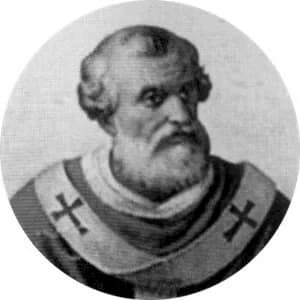
Conon
An old priest of Thracian family and Sicilian schooling, chosen as the compromise when Rome's clergy and army each elected their own man.
Pope no. 83686-687
When John V died in August 686 the clergy of Rome gathered in the Lateran and elected the archpriest Peter; the army gathered in the basilica of Saint Stephen and elected a priest named Theodore; and neither side would go to the other. The Liber Pontificalis describes the standoff: the clergy locked in the palace, the soldiers outside, envoys passing between them. The way out was a third man. Conon was an old priest, the son of an officer from Thrace, educated in Sicily and ordained in Rome, of venerable appearance and no faction, and both parties agreed on him. The exarch confirmed the choice and he was consecrated on 21 October 686.
He was ill for the whole of his reign and made one decision that mattered, badly. He appointed a Syrian deacon named Constantine as rector of the papal estates in Sicily, over the Roman officials who had always held the post; the appointment offended the Roman clergy, and the new rector's conduct provoked riots that ended with the exarch's officers removing him. Justinian II, meanwhile, sent Conon a letter with the acts of the Sixth Council, asking him to have them signed by the Western bishops, and restored to the Roman church the estates in Bruttium and Lucania that the empire had taken.
Conon died on 21 September 687 after eleven months and was buried in Saint Peter's. His death set off the double election he had been chosen to prevent, and the Roman church got, from that quarrel, its most capable pope in a century.
A full essay on this pope is in preparation. The facts and summary above are complete and sourced.
Sources
- J. N. D. Kelly and Michael Walsh, The Oxford Dictionary of Popes (2010)
- Andrew J. Ekonomou, Byzantine Rome and the Greek Popes (2007)
- Raymond Davis (trans.), The Book of Pontiffs (Liber Pontificalis) (2000)
- Further reading: Wikipedia