The Byzantine Papacy483-752
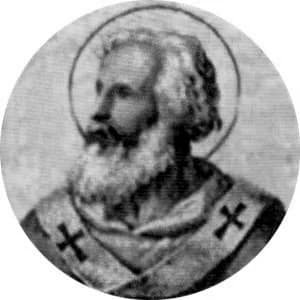
Saint Agapetus I
Sent to Constantinople to stop a war, he failed, deposed the patriarch instead, consecrated his successor, and died in the imperial city.
Pope no. 57535-536
Agapetus was the son of a Roman priest killed in the street fighting of the Laurentian schism, and as archdeacon he had a reputation for learning and for refusing to bend. Elected on 13 May 535, he began by burning the document Boniface II had forced the clergy to sign against the dead Dioscorus, and by planning with the senator Cassiodorus a school of Christian studies in Rome on the model of Alexandria, with a library on the Caelian that his name still marks. The war ended the plan. Belisarius had taken Sicily, and the Gothic king Theodahad, terrified, ordered the pope to Constantinople to talk Justinian out of Italy.
He went in the winter of 536, pawning church plate to pay for the journey, and the emperor received him with honor and refused him everything. On the church's business, though, Agapetus did what no Western bishop had done in the capital. The patriarch Anthimus was a Monophysite whom the empress Theodora had installed the year before; Agapetus refused to communicate with him, refused Justinian's demand that he do so, and, when Anthimus declined to profess Chalcedon, declared him deposed and consecrated Menas in his place on 13 March 536. Justinian signed a profession of faith. Theodora did not forgive it.
He had reigned for eleven months and spent four of them at sea or at court. The Gothic war he had been sent to prevent began that summer, and the next pope would be its first casualty.
A full essay on this pope is in preparation. The facts and summary above are complete and sourced.
Sources
- J. N. D. Kelly and Michael Walsh, The Oxford Dictionary of Popes (2010)
- Eamon Duffy, Saints and Sinners: A History of the Popes (2014)
- Jeffrey Richards, The Popes and the Papacy in the Early Middle Ages, 476-752 (1979)
- Raymond Davis (trans.), The Book of Pontiffs (Liber Pontificalis) (2000)
- Further reading: Wikipedia