The Byzantine Papacy483-752
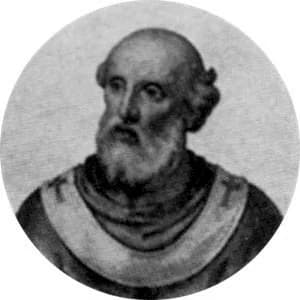
Severinus
Elected in 638 and consecrated twenty months later, after the emperor's soldiers had plundered the Lateran; he reigned two months.
Pope no. 71640
Severinus, an elderly Roman and the son of a man named Abienus, was elected within days of Honorius's death in October 638 and then waited. The emperor Heraclius had just issued the Ecthesis, the edict imposing the doctrine that Christ had one will, and he made his confirmation of the pope conditional on Rome's accepting it. The envoys Severinus sent to Constantinople refused to promise more than that they would urge the pope to consider it, and the negotiation dragged into a second year.
While it dragged, the army acted. The Liber Pontificalis tells the story in detail: the imperial treasurer Maurice, in Rome, told the soldiers that the Lateran held the pay Heraclius had sent them and that the pope-elect was hoarding it; the troops surrounded the palace, forced their way in after three days, and stripped the treasury, the accumulated gifts of emperors and popes since Constantine, over the following weeks, sending the exarch Isaac his share. Isaac came to Rome, banished the leading clergy, and took the rest for the emperor.
The plunder of the Lateran was the first time the imperial army had turned on the Roman church directly, and the memory of it shaped the popes who followed: Theodore, who prepared a council against the emperor's doctrine, and Martin, who held it without asking the emperor's leave.
A full essay on this pope is in preparation. The facts and summary above are complete and sourced.
Sources
- J. N. D. Kelly and Michael Walsh, The Oxford Dictionary of Popes (2010)
- Jeffrey Richards, The Popes and the Papacy in the Early Middle Ages, 476-752 (1979)
- Raymond Davis (trans.), The Book of Pontiffs (Liber Pontificalis) (2000)
- Further reading: Wikipedia