Reformation and Counter-Reformation1513-1605
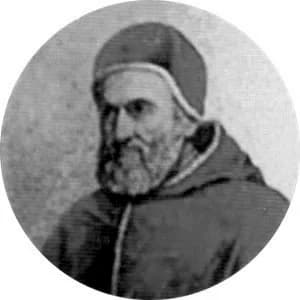
Pius IV
The genial lawyer who ended Trent, published its decrees, and gave the church its first modern profession of faith.
Pope no. 2241559-1565
Elected on Christmas night 1559 after the anti-Carafa conclave, Giovanni Angelo Medici was a canon lawyer and career administrator of easy manners, chosen precisely because he was everything his predecessor was not. He settled accounts with the past swiftly and coldly, trying and executing Paul IV's most notorious nephews, and then spent his credit on the one task that mattered: the council. Reassembling Trent in 1562 required a diplomatic miracle across France, Spain, and the Empire, and holding it together through its stormiest period required another; the third period nearly foundered on the question of whether bishops' residence was divine law. Guided by his legate Morone, whom he had rehabilitated from Paul IV's prison, the council closed in triumph in December 1563.
What followed mattered as much as the council itself. Pius confirmed the decrees in 1564 without amendment, reserved their interpretation to Rome, published the Tridentine profession of faith sworn ever since by Catholic clergy, issued a moderated Index to replace Carafa's unusable one, and commissioned the catechism, missal, and breviary that his successors would deliver. His nephew Charles Borromeo, made cardinal secretary at twenty-one, turned out to be the rare nepotist appointment history applauds: the future saint ran the machinery of the council's endgame and modeled the reformed bishop for the next century. Pius died in December 1565 with the Counter-Reformation's legal architecture complete, an achievement his flashier successors built upon and rarely credited.
A full essay on this pope is in preparation. The facts and summary above are complete and sourced.
Sources
- J. N. D. Kelly and Michael Walsh, The Oxford Dictionary of Popes (2010)
- John W. O'Malley, Trent: What Happened at the Council (2013)
- Further reading: Wikipedia