The Imperial Church311-483
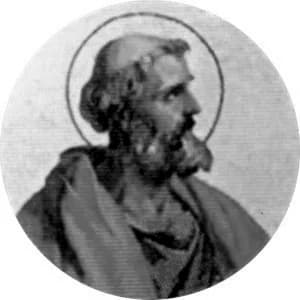
Saint Celestine I
Condemned Nestorius and let Cyril execute it, sent Germanus to Britain and Palladius to the Irish, and told Gaul's bishops how to dress.
Pope no. 43422-432
Celestine, a Campanian deacon under Innocent, was elected without dispute on 10 September 422 and spent ten years extending Rome's reach in every direction. In 428 Nestorius, the new archbishop of Constantinople, began preaching that Mary should not be called Mother of God, and both he and his enemy Cyril of Alexandria wrote to Rome for support. Celestine had Nestorius's sermons translated, held a synod in August 430 that condemned them, gave the archbishop ten days to recant, and appointed Cyril to carry out the sentence. When Theodosius II summoned a council to Ephesus for 431, Cyril opened it before the papal legates or the Syrian bishops arrived and deposed Nestorius on the first day; the legates, arriving in July, confirmed the verdict, and one of them, the presbyter Philip, told the council that Peter "lives and exercises judgment in his successors." The council also proclaimed Mary Theotokos; Nestorius went into exile.
The West got the same attention. In 429 he sent Germanus of Auxerre to Britain to fight Pelagianism; in 431, according to the chronicler Prosper, he ordained Palladius and sent him "to the Irish believing in Christ" as their first bishop, a year before Patrick's traditional date. He rebuked the bishops of Gaul who had adopted monastic dress ("we should be distinguished from the people by our teaching, not our clothing") and defending the memory of Augustine, who died in 430, against his critics in Marseille.
A full essay on this pope is in preparation. The facts and summary above are complete and sourced.
Sources
- J. N. D. Kelly and Michael Walsh, The Oxford Dictionary of Popes (2010)
- Eamon Duffy, Saints and Sinners: A History of the Popes (2014)
- Raymond Davis (trans.), The Book of Pontiffs (Liber Pontificalis) (2000)
- Further reading: Wikipedia