Reformation and Counter-Reformation1513-1605
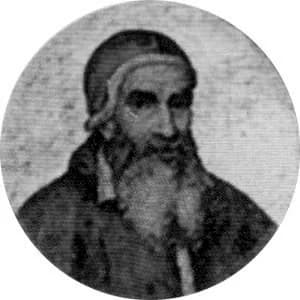
Urban VII
Twelve days: the shortest accepted pontificate, remembered for charity to the poor and history's first public smoking ban.
Pope no. 2281590
Giovanni Battista Castagna was one of the most seasoned men ever elected: a canon lawyer who had governed papal cities, served seven years as nuncio to Spain, sat through the Council of Trent's decisive sessions as an archbishop, and earned a rare reputation for being both efficient and kind. His election on 15 September 1590 was greeted as the arrival of a healer after Sixtus V's storms. He caught malaria the next night, and died on 27 September, before he could be crowned: twelve days, the shortest pontificate the church counts as valid.
The brevity is the fame, but the fragments are telling. In less than two weeks he had begun an inventory of Rome's grain supply against famine, ordered subsidies for the city's poor and for destitute girls' dowries, banned his own family from profiting by his election, and prohibited, under pain of excommunication, the use of tobacco in and around churches, including snuff, the earliest known public smoking ban anywhere; it stood until 1724. His private fortune went by will to the confraternity that dowered poor brides. Rome, which had torn down Sixtus's statue weeks earlier, genuinely mourned Urban, and the what-might-have-been of the twelve-day pope became a small legend of the era: proof, contemporaries said, that the conclave could still recognize goodness, even if heaven declined to lend it time.
A full essay on this pope is in preparation. The facts and summary above are complete and sourced.
Sources
- J. N. D. Kelly and Michael Walsh, The Oxford Dictionary of Popes (2010)
- Eamon Duffy, Saints and Sinners: A History of the Popes (2014)
- Further reading: Wikipedia