Reformation and Counter-Reformation1513-1605
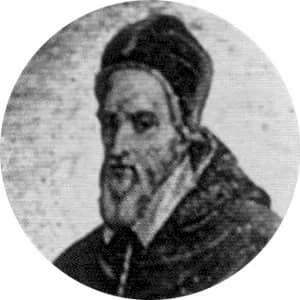
Gregory XIV
A pious invalid pushed by Spain into France's wars, who still found time to ban gambling on papal elections.
Pope no. 2291590-1591
Niccolò Sfondrati was a friend of Charles Borromeo and Philip Neri, a bishop of genuine personal holiness who had governed his diocese of Cremona as a model of Tridentine reform for thirty years. He was also chronically ill, chronically indecisive, and elected in December 1590 by a conclave operating under open Spanish pressure, Philip II having circulated a list of the only cardinals he would accept. The result read as advertised: ten months in which papal policy became an annex of Spanish strategy. Gregory excommunicated Henry of Navarre afresh, declared him incapable of the French crown, and poured Sixtus V's carefully hoarded treasure into subsidies and an expedition for the Catholic League, a bet against the man who, within three years of the pope's death, would convert, be absolved, and rule France as its most popular king in a century.
The pontificate's redeeming footnotes are real. He tightened the rules of Trent on episcopal residence, protected the Philippines' indigenous peoples with an order restoring freedom to enslaved converts, and in March 1591 issued Cogit nos, excommunicating anyone who bet on papal elections, the length of pontificates, or the creation of cardinals: history's most specific anti-gambling law, aimed at Rome's flourishing conclave bookmakers. Struggling with a gallstone his physicians could not treat, he died in October 1591, leaving the treasury lighter, France angrier, and the era's lesson underlined: sanctity without independence made a pope, in the sixteenth century, merely a very expensive ally.
A full essay on this pope is in preparation. The facts and summary above are complete and sourced.
Sources
- J. N. D. Kelly and Michael Walsh, The Oxford Dictionary of Popes (2010)
- Eamon Duffy, Saints and Sinners: A History of the Popes (2014)
- Further reading: Wikipedia