XII1513-1605
Reformation and Counter-Reformation
The century the church broke and rebuilt itself: from Leo X's Rome to the disciplined papacy of Trent.
Popes No. 217-231
In the spring of 1513, the cardinals elected a Medici and Rome exhaled. After the warrior pontificate of Julius II, Giovanni de' Medici, crowned as Leo X, promised cultivation, peace, and pleasure. A probably apocryphal remark attributed to him captured the mood either way: God has given us the papacy, let us enjoy it. Ninety-two years later, the era closed with a papacy that no one would ever again accuse of enjoying itself: leaner, sterner, centralized, and locked in a confessional cold war that would outlast every person alive. Between those two points lies the most consequential century in the history of the office.
The break
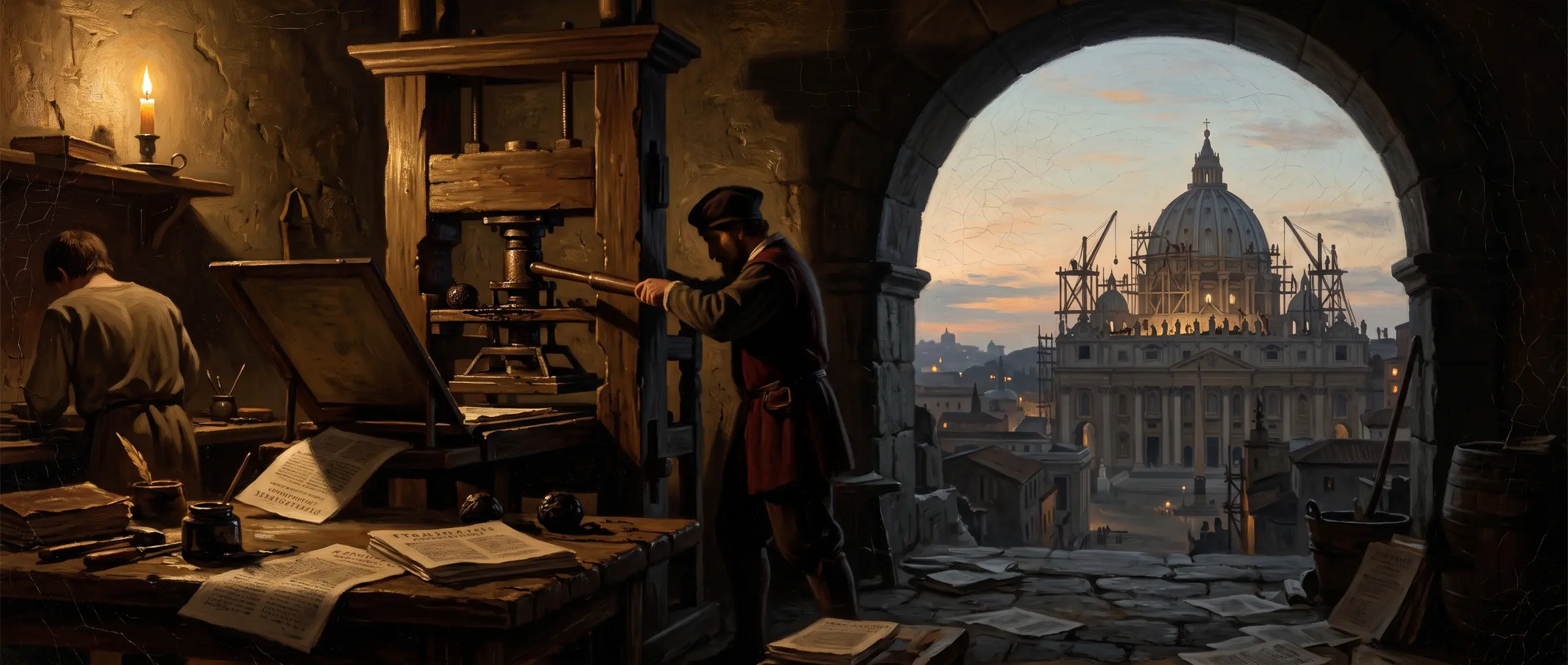
The crisis began, as papal crises often had, with money. St. Peter's Basilica was rising and had to be paid for, and the fundraising machinery reached into Saxony in the form of a preached indulgence. When Martin Luther posted his Ninety-five Theses in October 1517, he was raising an academic objection to that machinery. Leo X treated it as a squabble among friars, and that misjudgment deserves sympathy: nothing in fifteen centuries suggested that a monastic dispute in a minor German town could subtract half a continent from papal obedience.
But three things had changed. The printing press could reproduce an argument faster than any legate could answer it. German princes had fiscal and political reasons to shelter a rebel against Rome. And lay Europe had spent two generations watching Renaissance popes behave like Italian princes, which lent every accusation a ready audience. By the time Leo excommunicated Luther in 1521, the pamphlet war was already lost.
What followed was not one break but a cascade. Zurich, then Geneva, built reformed churches on more radical lines than Luther's. And in England the break came not from doctrine at all: when Clement VII, a Medici cousin paralyzed between the kings of Europe, could not grant Henry VIII his annulment, Parliament simply legislated the pope out of England in 1534.
Rock bottom
The era's true nadir arrived in May 1527, when the unpaid army of Emperor Charles V, thick with Lutheran mercenaries, breached the walls of Rome and subjected the city to months of murder, ransom, and desecration. Clement VII watched from Castel Sant'Angelo while the Sistine Chapel stabled horses. To contemporaries the theological point was unmissable, and both sides preached it: God had permitted judgment on Babylon.
The Sack broke something in the Renaissance papacy, and the breaking proved useful. Magnificence had failed as a strategy. Survival now required seriousness, and the church's serious men, long sidelined, finally got their turn.
The pivot
The pivot has a name and a face: Paul III, a Farnese elevated in the old world (he owed his red hat partly to his sister's relationship with Alexander VI) who governed for the new one. He put reformers in the college of cardinals, commissioned the brutally honest Consilium de emendanda ecclesia report on the church's own corruption, approved Ignatius of Loyola's Society of Jesus in 1540, and, after decades of imperial and French obstruction, finally opened the Council of Trent in 1545.
Trent is the hinge of the era. Meeting in three periods across eighteen years, it refused every compromise formula with Protestantism and instead defined, with legal precision, what Catholicism was: on justification, on the sacraments, on scripture and tradition, on the Mass. Just as consequentially, it rebuilt the clergy: seminaries in every diocese, residence enforced on bishops, preaching made a duty. The council gave the papacy a program, and the popes of the next half century made themselves its enforcers.
The enforcers
The austere turn had its zealots. Paul IV, pope from 1555, ran reform as inquisition: he expanded the Roman Inquisition's reach, created the Index of Forbidden Books, and walled Rome's Jews into a ghetto, a stain the papacy took three centuries to remove. His successors learned to keep the discipline while losing some of the fury.
The purest embodiment was Pius V, the Dominican inquisitor elected in 1566, who wore his friar's habit under the papal cassock, enforced Trent's decrees to the letter, standardized the Roman Missal that would carry his name for four hundred years, and assembled the Holy League whose fleet destroyed Ottoman naval power at Lepanto in 1571. Gregory XIII turned the same energy toward education and science: a network of Jesuit colleges across Europe, seminaries for England and Germany, and in 1582 the calendar reform that deleted ten days from October and still governs the world's dates. Sixtus V, a shepherd's son, spent five furious years rebuilding Rome itself: aqueducts, straight pilgrimage avenues, the obelisk raised before St. Peter's, the dome finally completed, and the curia reorganized into the congregations that ran the church into the twentieth century.
Stalemate and settlement
None of it reconquered the lost half of Europe. France spent the era's last four decades tearing itself apart in wars of religion, with the papacy funding the Catholic League against a Protestant heir. The era's last great pope, Clement VIII, read the board correctly: when Henry IV of Navarre converted, Clement absolved him in 1595 over Spanish fury, and quietly accepted the Edict of Nantes that gave French Protestants toleration. Confessional Europe had settled into the shape it would keep: a Protestant north, a Catholic south, and a papacy that had traded universal jurisdiction for intensity.
The same Clement's Rome burned Giordano Bruno in the Campo de' Fiori in 1600, a reminder that the disciplined church was also a policing one. The era ends there, honestly: the papacy had saved itself by becoming harder, clearer, and smaller in claim. Whether that was triumph or tragedy is the argument the next two centuries would conduct.
The world at the time
- 1517
religiousLuther's Ninety-five Theses
An Augustinian friar's protest against the indulgence trade detonates into the permanent division of western Christianity.
- 1527
politicalSack of Rome
Unpaid imperial troops storm and ravage Rome for months while Clement VII watches from Castel Sant'Angelo.
- 1534
schismEnglish Act of Supremacy
Henry VIII makes himself head of the Church of England, subtracting a kingdom from papal obedience over a divorce.
- 1540
religiousSociety of Jesus approved
Paul III approves Ignatius of Loyola's company, giving the Counter-Reformation its schoolmasters and missionaries.
- 1545
councilCouncil of Trent opens
The council that will define Catholic doctrine and discipline for four centuries finally convenes after decades of delay.
- 1571
politicalBattle of Lepanto
The Holy League assembled by Pius V shatters the Ottoman fleet in the largest galley battle ever fought.
- 1582
culturalThe Gregorian calendar
Gregory XIII deletes ten days from October and gives the world the calendar it still runs on.
- 1598
politicalEdict of Nantes
Henry IV grants French Protestants toleration, closing the wars of religion that defined the century's politics.
Popes of this era
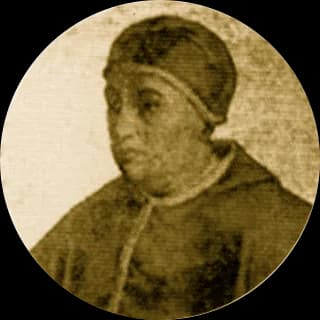 Leo XNo. 217 · 1513-1521
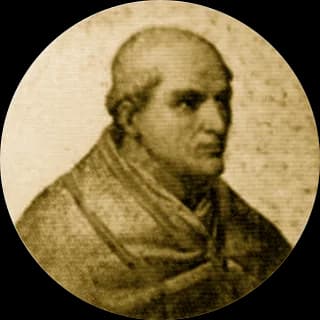 Adrian VINo. 218 · 1522-1523
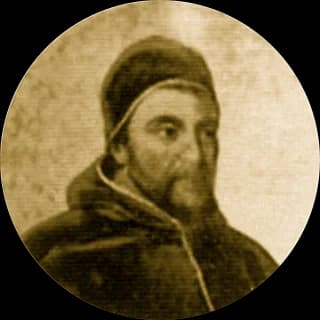 Clement VIINo. 219 · 1523-1534
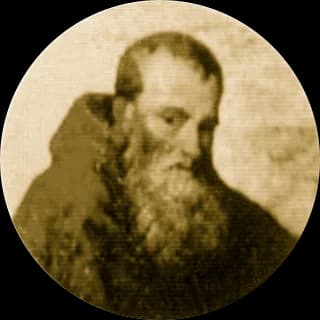 Paul IIINo. 220 · 1534-1549
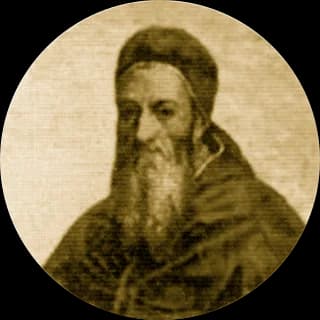 Julius IIINo. 221 · 1550-1555
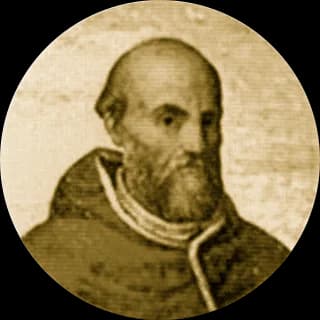 Marcellus IINo. 222 · 1555
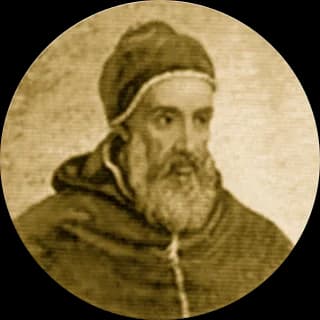 Paul IVNo. 223 · 1555-1559
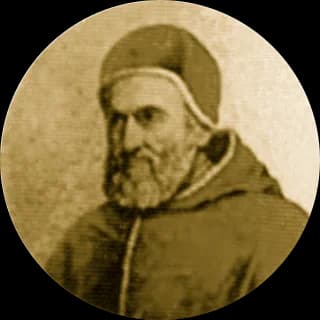 Pius IVNo. 224 · 1559-1565
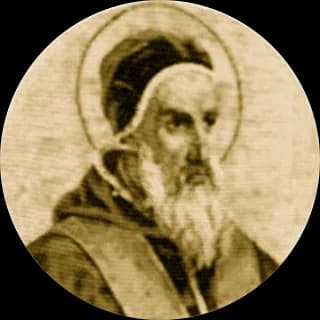 Pius VNo. 225 · 1566-1572
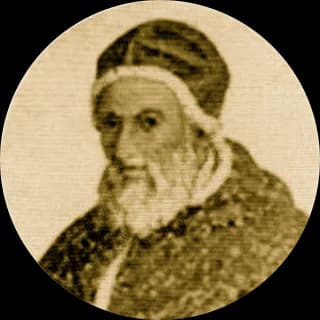 Gregory XIIINo. 226 · 1572-1585
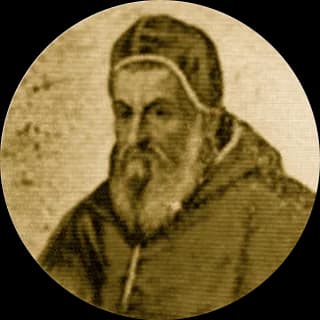 Sixtus VNo. 227 · 1585-1590
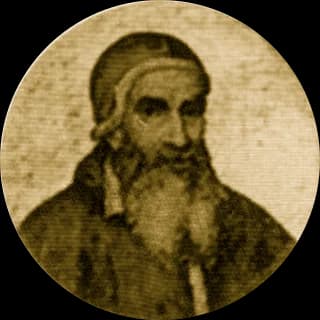 Urban VIINo. 228 · 1590
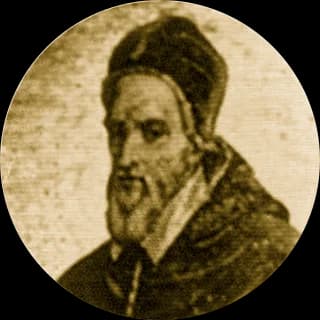 Gregory XIVNo. 229 · 1590-1591
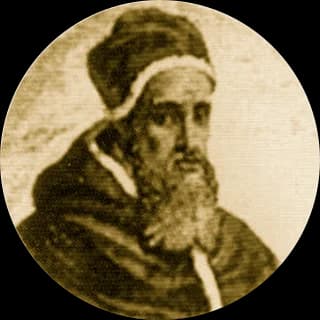 Innocent IXNo. 230 · 1591
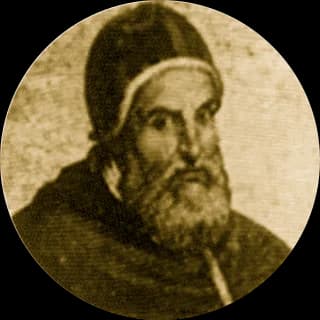 Clement VIIINo. 231 · 1592-1605