VII1046-1198
Reform and Investiture
The papacy breaks free: simony condemned, elections handed to the cardinals, and an emperor kneeling in the snow.
Popes No. 149-175
In 1046 the papacy was property. Three men claimed it, one had sold it to another, and a German king had to come south to clear the wreckage. A hundred and fifty years later a pope could summon the armies of Europe, judge the marriage of its kings, and be obeyed by a bureaucracy of lawyers reaching from Iceland to Jerusalem. Nothing else in the medieval history of the West changed so far, so fast.
Sutri
Henry III of Germany crossed the Alps in 1046 to be crowned emperor and found the Roman church in a condition too squalid to ignore. At the synod of Sutri that December he deposed Gregory VI, who had bought the office from Benedict IX in the honest belief that buying it was the only way to remove him, swept aside the other claimants, and installed his own bishop of Bamberg as Clement II.
It was an imperial rescue, and it worked. Four German popes in eight years broke the grip of the Roman clans who had treated the papacy as a family asset since the tenth century. It also planted the contradiction that would define the era: a reform that condemned laymen for appointing churchmen had been installed by a layman appointing churchmen.
The pope on the road
The fourth of them, Leo IX, drew the obvious conclusion. He refused to take up the office on the emperor's nomination alone and entered Rome in 1049 as a pilgrim, asking to be elected. Then he left again, and kept leaving. In five years he held councils at Reims, Mainz, Pavia, Vercelli and Bari, arriving in person to put bishops on oath as to whether they had paid for their sees, and deposing those who admitted it or fled.
He also built a staff. The cardinals had been the clergy of the Roman parishes; Leo turned them into an international executive recruited from Lorraine, Burgundy and Tuscany, and sent them out as legates carrying his authority. Humbert of Silva Candida, Frederick of Lorraine and Hildebrand all came into Rome with him. Every pope for the next forty years came from that circle.
The cardinals
Leo's death after the defeat at Civitate, and the rupture with Constantinople that his legates completed three months after he was in his grave, left the reformers exposed. The Tusculan nobility tried to take the papacy back in 1058.
The answer was legal. Nicholas II's decree In Nomine Domini of 1059 gave the choice of a pope to the cardinal bishops first and the other cardinals after, leaving the Roman people to assent and the German king an undefined courtesy. The election of a pope stopped being a Roman civic event. Within months Nicholas had also gone to Melfi and made vassals of the Norman warlords in the south, so that the reform now had soldiers who owed nothing to any emperor. Doctrine and force were both in place.
Canossa
Hildebrand became Gregory VII in 1073 and pushed the argument to its end. If lay appointment of bishops was the root of simony, and simony was heresy, then the sacral kingship on which Europe was governed stood in the way of salvation. His Lenten synod of 1075 banned lay investiture outright. A memorandum copied into his register that year, the Dictatus papae, stated that the pope may depose emperors, release subjects from their allegiance, and be judged by nobody.
Henry IV called him a false monk; Gregory excommunicated and deposed him. In January 1077 the king crossed the Alps in midwinter and stood three days outside Matilda of Tuscany's castle at Canossa in a penitent's wool until the pope absolved him. It is the most famous scene in papal history and it was Henry's victory, since absolution destroyed the German princes' pretext for replacing him. The rematch went the other way. Deposed a second time in 1080, Henry set up an antipope, took Rome in 1084, and Gregory died the next year at Salerno under Norman protection, his city burnt by his own rescuers.
Clermont
Urban II inherited the ruin and rebuilt it by patience rather than confrontation: Norman alliances, a dynastic marriage that closed the Alpine passes, Rome recovered gate by gate over six years, and councils held every year as legislature and law court together.
Then, at Clermont in November 1095, he preached a sermon whose text does not survive, and the council's canon promised that an armed journey to free Jerusalem would count in place of all penance. Pilgrimage, penance and war had been fused. The response overwhelmed what he had asked for, and its first victims were the Jewish communities of the Rhineland, which he had neither called for nor could stop. Jerusalem fell in July 1099; Urban died a fortnight later without hearing of it. The papacy now had a power no earlier pope had held, the power to declare a war holy and to tax Christendom to fight it.
Worms and after
The investiture quarrel ground on through Paschal II, who was captured by an emperor and forced into a concession his own supporters called wicked, until Callixtus II settled it at Worms in 1122 with a compromise neither side could call victory: no more ring and staff from lay hands, but bishops would still receive their lands from the crown. The First Lateran Council of 1123, the first general council held in the West, made it law for everyone.
What followed was quieter and more consequential. Gratian's Decretum of about 1140 turned canon law into a working science; the law school at Bologna supplied the men to practise it; and appeals flowed to Rome in numbers that would have astonished Leo IX. Alexander III then spent twenty-two years outlasting Frederick Barbarossa and four imperial antipopes, and after Legnano brought the emperor to terms at Venice in 1177. His Third Lateran Council in 1179 fixed the rule that still governs the choice of a pope: a two-thirds majority of the cardinals, and no other qualification at all.
The papacy that emerged in 1198, when a thirty-seven-year-old canon lawyer was elected as Innocent III, was the most formidable institution in Europe.
The world at the time
- 1054
schismThe East-West Schism
Papal legates and the patriarch of Constantinople excommunicate one another, a quarrel later remembered as the moment Rome and the Orthodox East divided.
- 1066
politicalThe Norman Conquest of England
William sails for England under a banner blessed by Alexander II, and a pope's approval helps decide who wears a crown.
- 1071
politicalThe Battle of Manzikert
The Seljuks destroy a Byzantine army and open Asia Minor, setting in train the appeal for western help that ends at Clermont.
- 1088
culturalThe Law School at Bologna
Teaching on the rediscovered Roman law begins at Bologna, and Europe starts producing the professional lawyers the papacy will run on.
- 1095
religiousThe First Crusade
Urban II's summons at Clermont sends armed Christendom east and makes the papacy the moral commander of Europe.
- 1098
religiousThe Founding of Cîteaux
A handful of monks leave Molesme for a marsh in Burgundy, beginning the Cistercian order that will dominate the next century's religious life.
- 1122
politicalThe Concordat of Worms
Empire and papacy compromise on investiture: the emperor gives up ring and staff, the church concedes the bishop's lands are held from the crown.
- 1140
culturalGratian's Decretum
A Bologna master reconciles a thousand years of contradictory church rulings into one textbook, and canon law becomes a science.
- 1147
religiousThe Second Crusade
Preached by Bernard of Clairvaux for Eugene III, the expedition of two kings ends in failure outside Damascus.
- 1176
politicalThe Battle of Legnano
The infantry of the Lombard League break Frederick Barbarossa's cavalry, forcing the emperor to come to terms with Alexander III at Venice.
- 1187
politicalSaladin Takes Jerusalem
Hattin destroys the kingdom's army and Jerusalem surrenders, news that kills one pope and moves his successor to call the Third Crusade.
Popes of this era
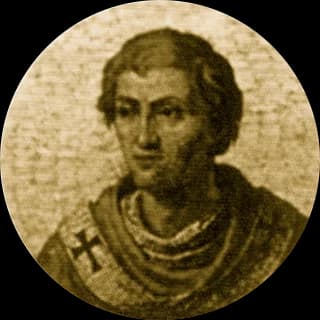 Clement IINo. 149 · 1046-1047
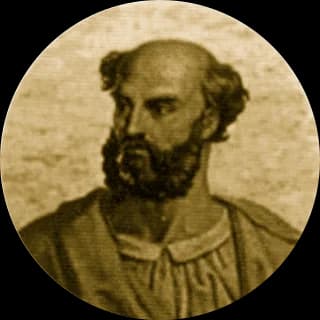 Damasus IINo. 151 · 1048
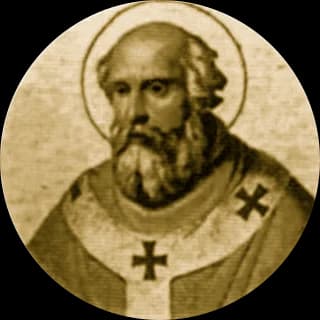 Leo IXNo. 152 · 1049-1054
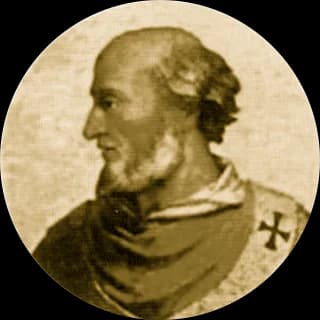 Victor IINo. 153 · 1055-1057
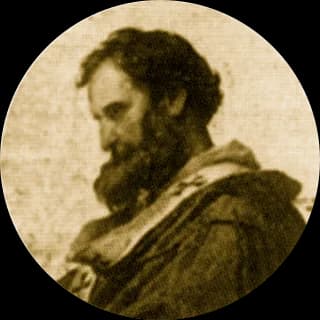 Stephen IXNo. 154 · 1057-1058
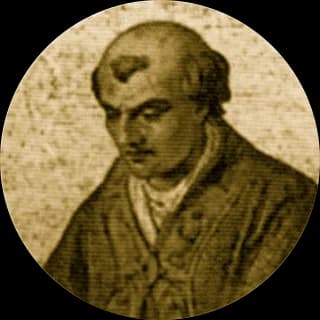 Nicholas IINo. 155 · 1059-1061
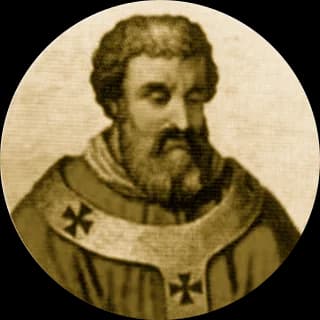 Alexander IINo. 156 · 1061-1073
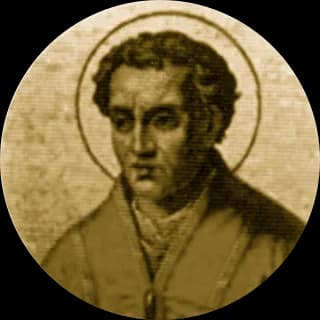 Gregory VIINo. 157 · 1073-1085
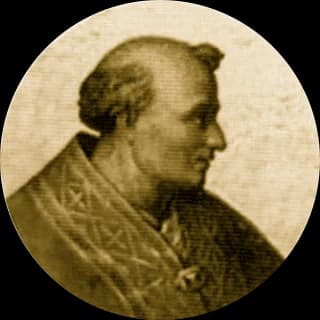 Victor IIINo. 158 · 1086-1087
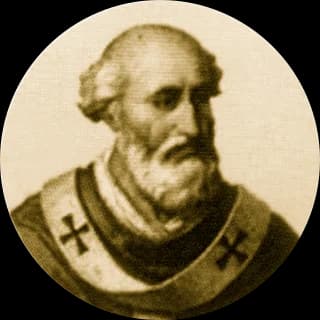 Urban IINo. 159 · 1088-1099
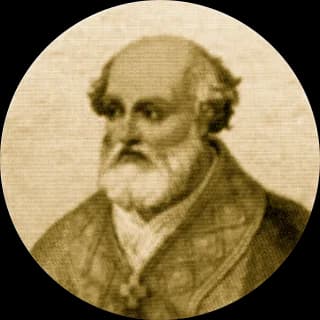 Paschal IINo. 160 · 1099-1118
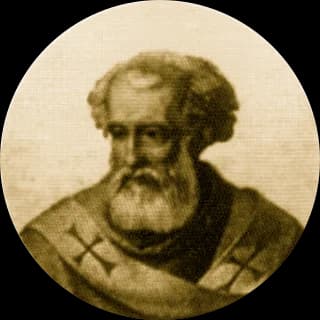 Gelasius IINo. 161 · 1118-1119
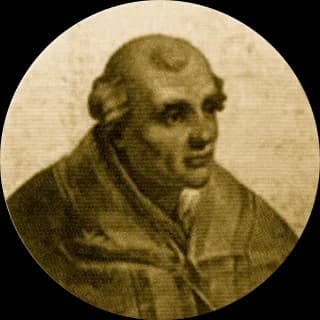 Callixtus IINo. 162 · 1119-1124
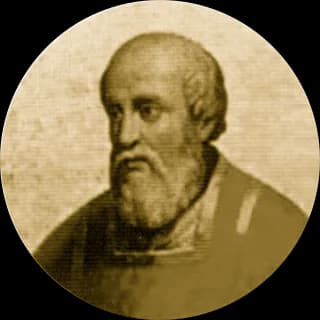 Honorius IINo. 163 · 1124-1130
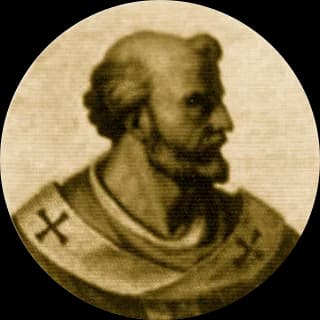 Innocent IINo. 164 · 1130-1143
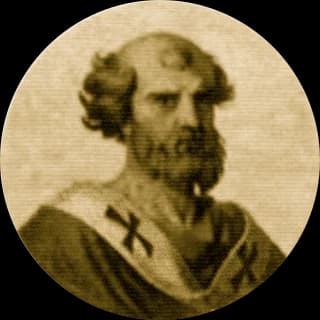 Celestine IINo. 165 · 1143-1144
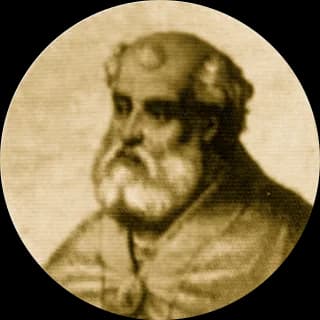 Lucius IINo. 166 · 1144-1145
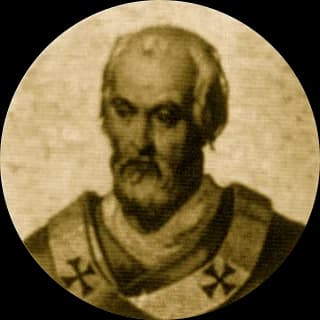 Eugene IIINo. 167 · 1145-1153
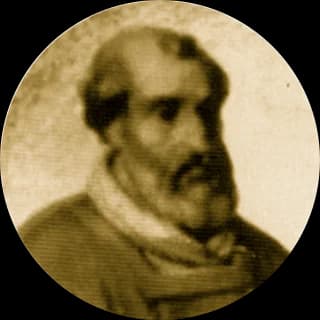 Anastasius IVNo. 168 · 1153-1154
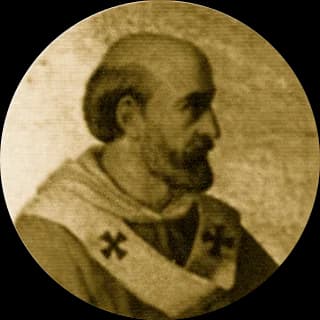 Adrian IVNo. 169 · 1154-1159
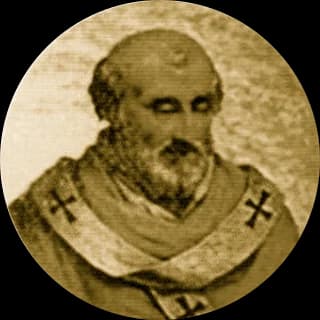 Alexander IIINo. 170 · 1159-1181
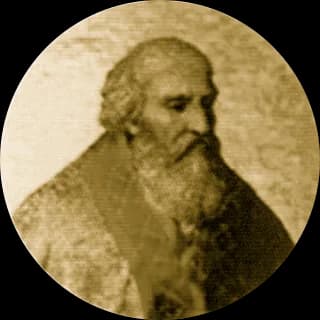 Lucius IIINo. 171 · 1181-1185
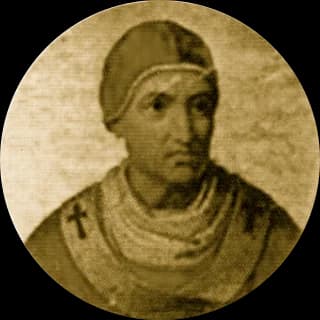 Urban IIINo. 172 · 1185-1187
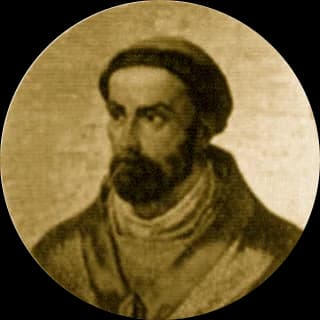 Gregory VIIINo. 173 · 1187
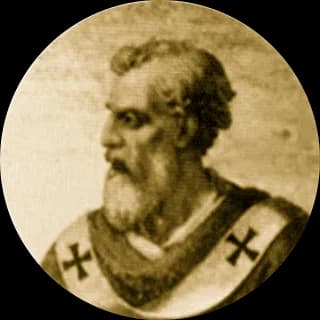 Clement IIINo. 174 · 1187-1191
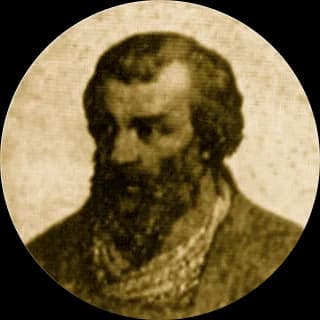 Celestine IIINo. 175 · 1191-1198