Reform and Investiture1046-1198
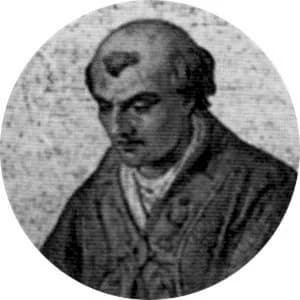
Nicholas II
The pope of the 1059 decree that took the choice of popes away from the Roman nobility and gave it to the cardinals.
Pope no. 1551059-1061
The Tusculan counts had put their own man in the Lateran as Benedict X while the reformers were scattered. Hildebrand gathered the cardinals at Siena instead and had them elect Gerard, bishop of Florence, a Burgundian of the reforming party. Gerard entered Rome in January 1059 behind Norman and Tuscan troops, drove Benedict out, and set about making sure it could never happen again.
The Lateran synod of April 1059 produced In Nomine Domini, the most consequential piece of papal legislation of the century. It gave the initiative in a papal election to the cardinal bishops, then the rest of the cardinals, with the Roman clergy and people reduced to assent, and the German king allowed only an undefined "honour due". At a stroke the local aristocracy that had owned the papacy for a hundred and fifty years was written out.
That August Nicholas went south to Melfi, absolved the Norman freebooters who had been the church's enemies, and took their homage: Robert Guiscard became a papal vassal for lands he had not yet conquered. The papacy had acquired an army that did not belong to a German king. Nicholas died at Florence in 1061, and the German court, furious, refused to recognise his successor.
A full essay on this pope is in preparation. The facts and summary above are complete and sourced.
Sources
- J. N. D. Kelly and Michael Walsh, The Oxford Dictionary of Popes (2010)
- Eamon Duffy, Saints and Sinners: A History of the Popes (2014)
- I. S. Robinson, The Papacy 1073-1198: Continuity and Innovation (1990)
- Colin Morris, The Papal Monarchy: The Western Church from 1050 to 1250 (1989)
- Further reading: Wikipedia