Reformation and Counter-Reformation1513-1605
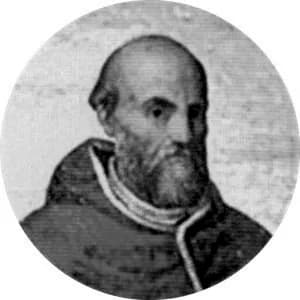
Marcellus II
Twenty-two days of the reform papacy everyone had been waiting for, remembered forever by a Mass that bears his name.
Pope no. 2221555
Marcello Cervini was everything the reform party had prayed a pope might be: a scholar who ran the Vatican Library, a co-president of the Council of Trent's opening sessions, a bishop who actually lived in austerity, and a diplomat whose integrity had survived open conflict with Emperor Charles V. Elected on 9 April 1555, he kept his baptismal name, the second-to-last pope ever to do so, cut his own coronation to a fraction of its usual cost, banned his relatives from coming to Rome to seek favors, and began drafting plans to reform the curia's finances and the conclave itself. Rome, for once, believed it was watching the real thing begin.
Twenty-two days later he was dead, his always fragile health broken, contemporaries said, by the Holy Week liturgies he insisted on performing in full and the workload he refused to delegate. The what-if has haunted Catholic historiography ever since: the era's sternest chapter, Paul IV's, opened weeks later, and one can argue the Counter-Reformation's tone might have been learned rather than punitive under Cervini. His monument is oblique and perfect: Palestrina's Missa Papae Marcelli, the Mass legend credits with persuading the church that polyphony could remain sacred, composed in tribute to the pope of twenty-two days who had asked that Holy Week music let the words be heard.
A full essay on this pope is in preparation. The facts and summary above are complete and sourced.
Sources
- J. N. D. Kelly and Michael Walsh, The Oxford Dictionary of Popes (2010)
- Eamon Duffy, Saints and Sinners: A History of the Popes (2014)
- Further reading: Wikipedia