Reformation and Counter-Reformation1513-1605
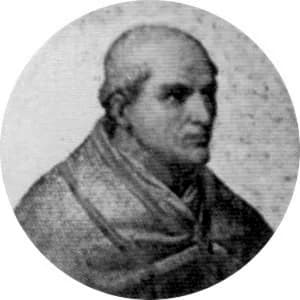
Adrian VI
The austere Dutch reformer who admitted Rome's guilt out loud, and was mocked by Rome for twenty months until he died.
Pope no. 2181522-1523
Elected in absentia as a compromise nobody loved, Adriaan Boeyens of Utrecht was a barge worker's son who had risen by pure intellect: professor of theology at Louvain, tutor to the future emperor Charles V, co-regent of Spain, and inquisitor general. He kept his baptismal name as pope, a sign of how little he intended to play the Renaissance game, and arrived in a Rome that regarded him as a barbarian. He returned the compliment by refusing its luxuries, keeping a single elderly housekeeper, and slashing the court's expenses to the bone.
His twenty months were built around one act of astonishing honesty. To the Diet of Nuremberg in 1522 his legate delivered an instruction admitting, in the pope's name, that the corruption of the church had flowed from the Roman curia itself, from the head into the members, and promising reform at the source. Lutherans quoted the confession for a century; the curia never forgave it. His attempts at practical reform drowned in resistance, his appeals for a crusade after the fall of Rhodes went unheard, and when he died in September 1523 the Roman wits hung garlands on his doctor's door with the inscription "to the liberator of his country." He was the last non-Italian pope until John Paul II, 455 years later, and the epitaph on his tomb remains the saddest and truest in St. Peter's orbit: how much depends on the times in which even the best of men is cast.
A full essay on this pope is in preparation. The facts and summary above are complete and sourced.
Sources
- J. N. D. Kelly and Michael Walsh, The Oxford Dictionary of Popes (2010)
- Eamon Duffy, Saints and Sinners: A History of the Popes (2014)
- Further reading: Wikipedia